
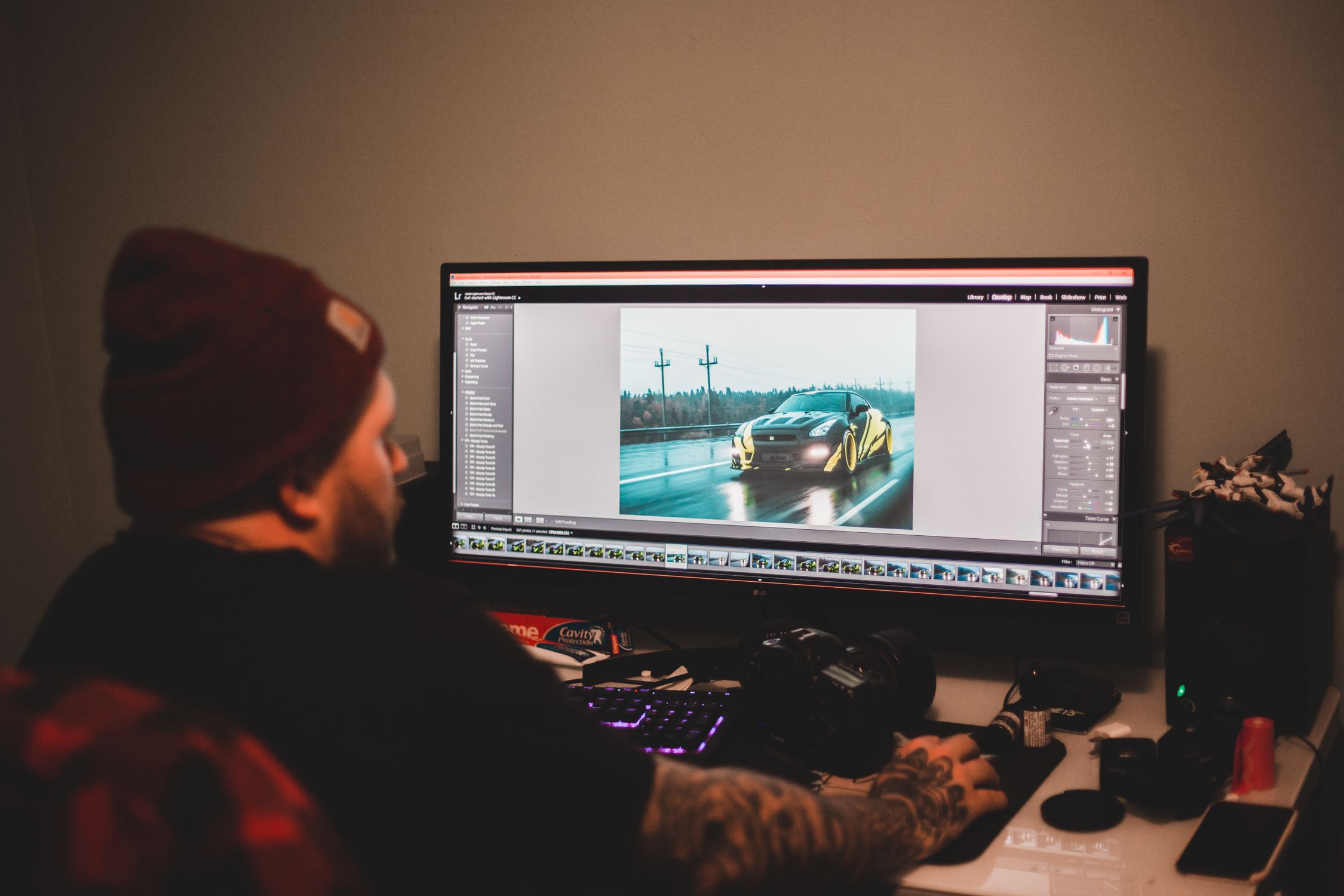
Taking a closer look at the process of digital printing is the first step to understanding how the multiple printing processes work. With digital printing, computers tell the printer how to create an image on paper through complex algorithms. Printing directly onto the surface of your choice is the result of the digital printer analyzing the image.
How do digital printers work?
In comparison with litho printing, digital printing prints directly onto the paper instead of using wet ink on printing plates. Unlike conventional printing, digital printing creates the images ready for printing by assembling them from numbers and formulas. Pixels are used to capture images, and the digitalized image is used to control the adherence of ink, toner, and exposure, so you can print the same image that you see on your screen.
The most common type of digital printer is an inkjet or toner printer. As you choose the paper surface, the Inkjet printer maps out microdroplets of ink – creating your image. This printer creates smaller dots than that of the inkjet by using toner, a fine, plastic-based powder.
Digital printing has many advantages
Digital printing is the process of modern printing, which provides a lot of benefits to the consumer.
It saves time
It’s also much faster than traditional methods using plates, which is one of the biggest advantages of digital printing. The printer handles the rest of the process once you upload the high-res file of your chosen image. As a result, direct mail marketing campaigns have a faster turnaround time.
Personalization
Direct mail marketing can be personalized well using the digital printing process. With this type of printing, you can customize your direct marketing – whether it’s flyers, leaflets or brochures – to match your business’s unique identity. It has become a common marketing practice in our day and age to think of your customers as individuals, and digital printing makes the personalization process enhanced.
Images are less distorted
A lower resolution image can be printed using digital printing to produce a higher quality print. With the evolution of digital technology, printers of this type have become much smaller and, because they use non-contact printing methods, they create fewer distortions in images. This printing technology is mostly used in Ipswich based printing company. Printing traditionally provides a sharp and precise finish, whereas lithography provides a softer one.
Further Development
Due to the widespread popularity of the digital printing process, the demand for such a printing process is continually growing. It is worthwhile to adapt and improve digital printing since it is more efficient and cost-effective. The process of digital printing also has the advantage that it takes fewer man-hours, communications are easier, and it has a faster turnaround – all of which are good reasons to continue to develop it in the future.
Effective for the money
Digital printing can be more affordable than traditional forms of printing because it is a faster and more efficient process. Digital printing allows you to print as much as you need, while litho printing has a minimum quantity. In addition, it is easy to set up, making it a good printer for people with small jobs.
